The First-Time Grant Proposal Checklist
Granteon ·
Most first proposals do not die on the prose. They die on paperwork. The funder wants a budget, a board list, and an EIN, and you find this out at 11pm the night before the deadline. We have watched this happen more than once. Collect the documents first and the writing turns into a single sitting.
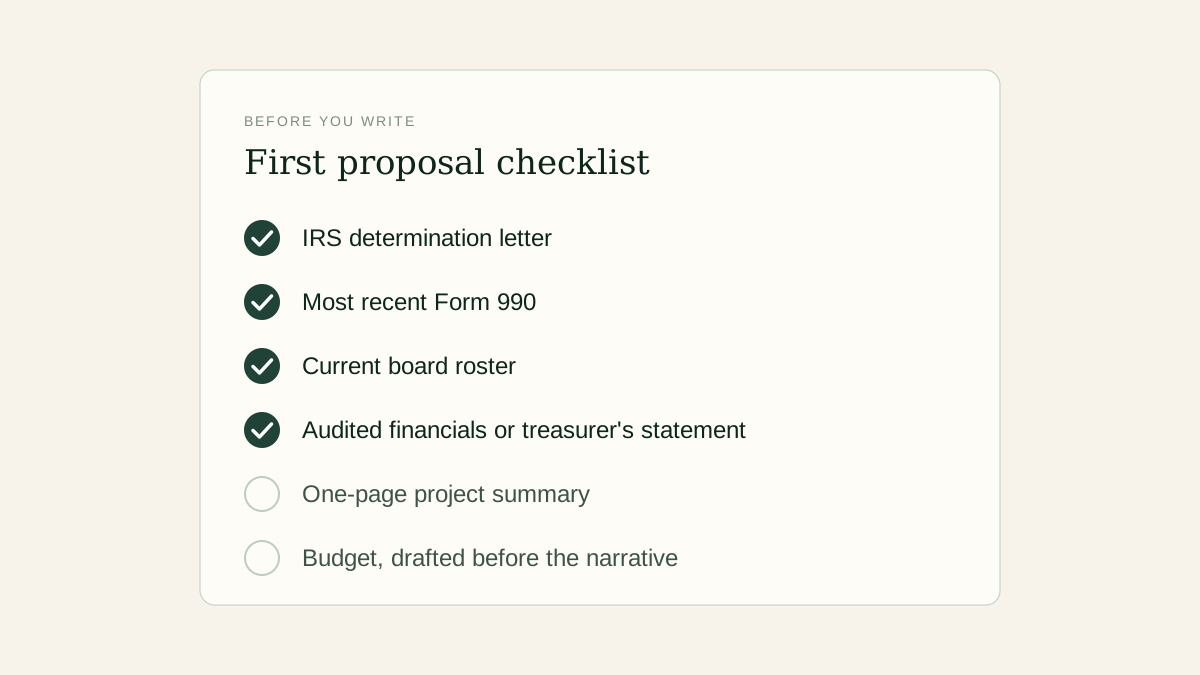
Before You Write a Single Word
Confirm you are eligible, in the funder's own words. Candid's guide is blunt about it: you need your IRS determination letter to prove you are a real nonprofit, plus whatever financials and board directory the funder asks for. So pull the letter, your latest Form 990, your current board roster, and last year's audit or a treasurer's statement. If the funder wants a fiscal sponsor, line one up now and not after the draft.
Funding for Good suggests keeping a folder of all this stuff, kept current, so it is ready to go. It is boring advice, and it is the advice that saves you at 11pm.
Then write a one page project summary: the problem, who it affects, what you will do, and what changes as a result. Every section of the application is a longer version of this one page. Nail the page and the rest is expansion.
Draft the Budget First
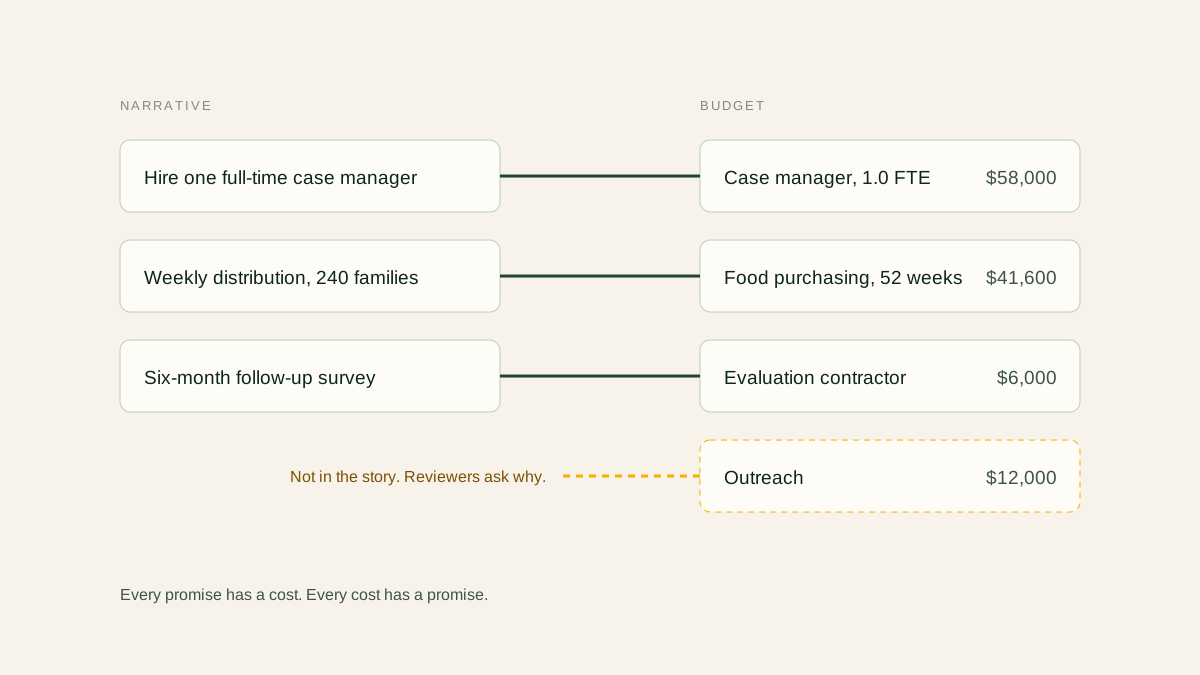
Yes, before the narrative. A budget forces you to decide staffing, timeline, and scope, so the narrative ends up describing a plan that already adds up. Reviewers read the budget for consistency. The Springfield Foundation says it plainly: figures that match the project description and add up correctly show you can run the thing. A number that appears in the story but not in the table costs you credibility.
Close the Loop
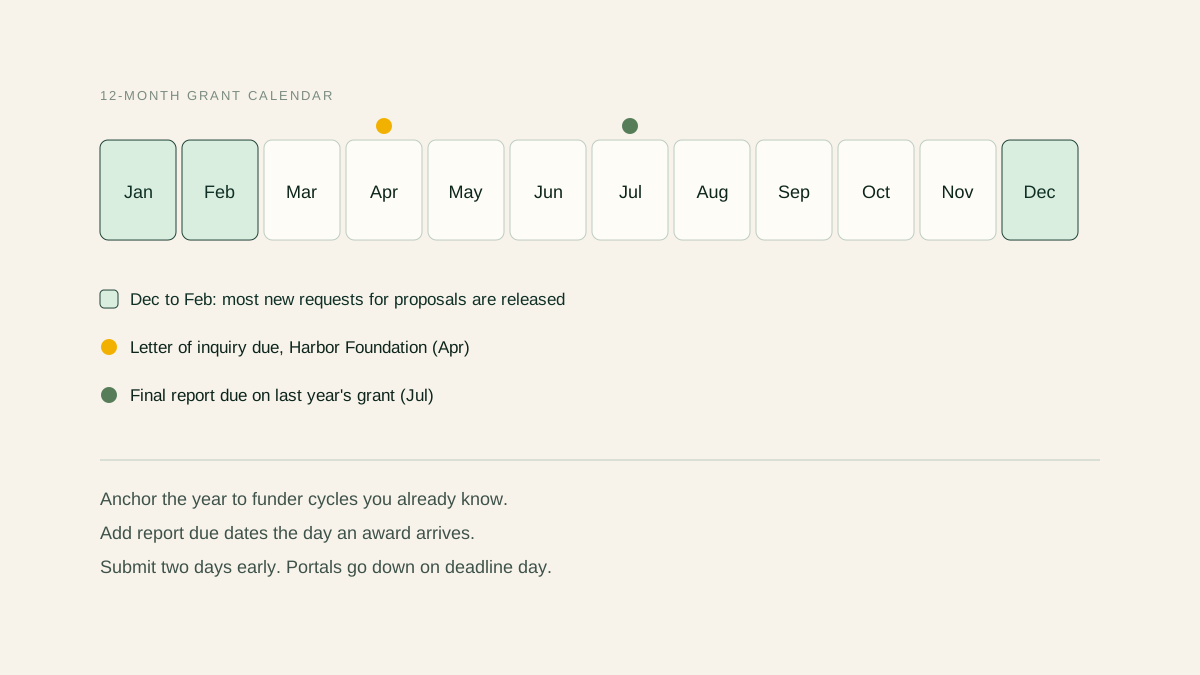
Hand the summary to someone outside the project and ask them to tell you what you are going to do. If they cannot, neither can a reviewer with forty applications in the stack. Fix the summary. Then submit two days early. Late submissions do not get read, and a portal outage on deadline day should not be the thing that decides your year.